

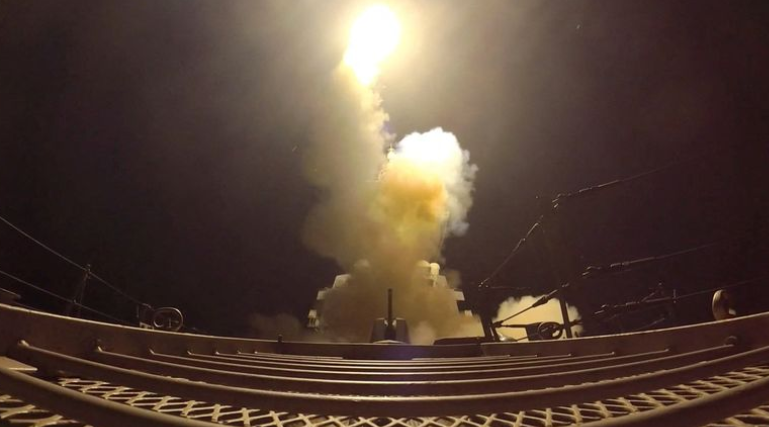
13 july 2026 (Navroze Bureau) : The conflict between the United States and Iran has intensified following a new wave of military strikes, further raising tensions across the Middle East. The latest escalation comes after diplomatic efforts aimed at securing a ceasefire reportedly collapsed, leaving the region on edge as concerns grow over the security of the strategically vital Strait of Hormuz.
Officials from both sides have exchanged accusations over recent military actions, while international observers fear the confrontation could have far-reaching consequences for regional stability, global energy supplies, and international trade.
Fresh Military Strikes Increase Tensions
Reports indicate that both sides have continued military operations, with fresh strikes targeting strategic locations linked to the ongoing conflict. While officials have claimed the attacks were aimed at military objectives, the latest developments have significantly reduced hopes for an immediate de-escalation.
The renewed hostilities follow days of heightened military activity involving missiles, drones, and naval deployments across the Gulf region.
Peace Efforts Break Down
Diplomatic initiatives intended to broker a ceasefire have reportedly stalled, with both Washington and Tehran maintaining firm positions on key security and political issues.
The collapse of negotiations has increased fears that the conflict could widen, drawing in additional regional actors and prolonging instability in West Asia.
Hormuz Remains Global Flashpoint
The Strait of Hormuz, through which a significant share of the world’s crude oil and liquefied natural gas exports pass, remains at the centre of the crisis. Increased naval activity and security concerns have prompted shipping companies to monitor developments closely.
Any prolonged disruption in the waterway could affect global energy markets, increase shipping costs, and contribute to volatility in crude oil prices.
Global Reactions
Several countries and international organizations have called for restraint and urged both sides to return to dialogue. Governments are closely monitoring the situation amid concerns over the humanitarian impact and the possibility of a broader regional conflict.
Financial markets have also reacted cautiously, with investors watching geopolitical developments and their potential impact on global trade and energy supplies.
Situation Remains Fluid
Military and diplomatic developments continue to evolve rapidly, with officials assessing the impact of the latest strikes and the prospects for renewed negotiations. Analysts warn that the coming days will be critical in determining whether tensions escalate further or diplomatic channels can be revived.