

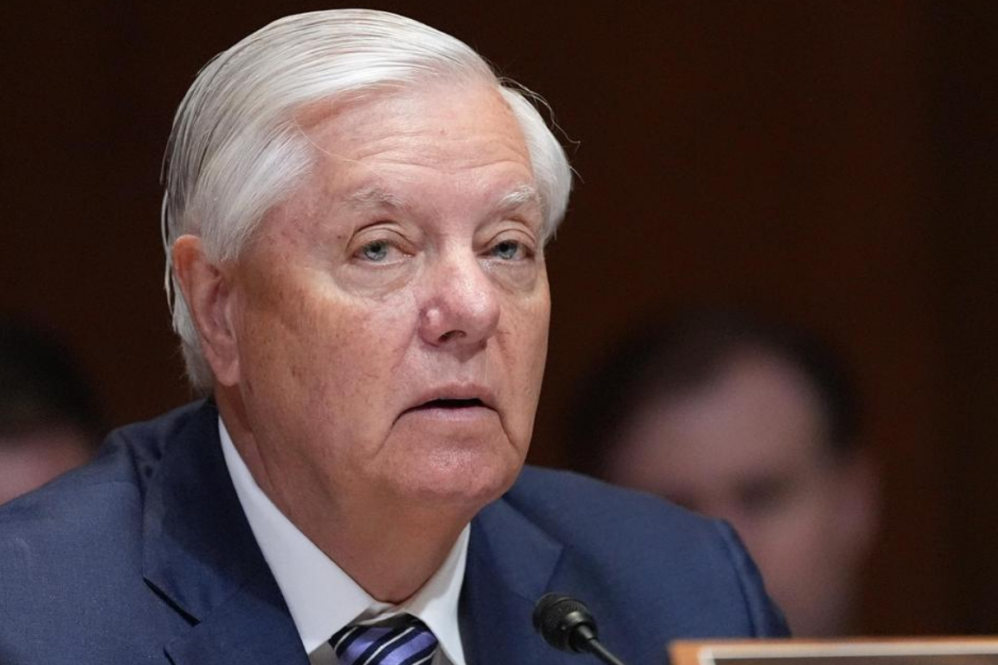
May 27 : 2026 (Navroze Bureau) : A senior U.S. senator has reportedly described Pakistan’s role as a mediator in ongoing regional diplomatic efforts as “problematic,” highlighting concerns over Islamabad’s credibility and strategic positioning in sensitive geopolitical negotiations.
The remarks come amid intensified diplomatic activity involving multiple countries attempting to ease tensions across parts of the Middle East and South Asia.
According to reports, the senator expressed skepticism regarding Pakistan’s ability to serve as a neutral intermediary, citing the country’s complex regional relationships and long-standing security concerns.
Concerns Over Neutrality
The U.S. lawmaker reportedly questioned whether Pakistan could maintain neutrality while balancing its own strategic interests and alliances.
Analysts say such criticism reflects broader concerns within sections of the American political establishment regarding Pakistan’s historical role in regional security matters.
Pakistan has often positioned itself as a diplomatic bridge in various international crises because of its relationships with countries across:
- South Asia
- The Middle East
- China
- Islamic nations
However, critics argue that Islamabad’s geopolitical calculations can complicate mediation efforts.
Sensitive Regional Environment
The comments emerged during a period of heightened global diplomatic engagement involving conflicts, ceasefire negotiations, and regional security discussions.
Several countries have recently attempted to facilitate dialogue between rival powers amid concerns over:
- Military escalation
- Energy security
- Maritime tensions
- Cross-border conflicts
- Strategic alliances
Pakistan’s Diplomatic Position
Pakistan has frequently sought to project itself as an important diplomatic player in Muslim-majority countries and broader regional affairs.
Its strategic location and relationships with major global powers have often allowed Islamabad to participate in mediation discussions and international negotiations.
Supporters of Pakistan’s diplomatic role argue that the country maintains communication channels with multiple competing powers, which can help facilitate dialogue.
U.S.-Pakistan Relations Remain Complex
Relations between the United States and Pakistan have remained complicated for decades due to differences over:
- Security policy
- Counterterrorism
- Afghanistan
- China ties
- Regional strategy
While cooperation continues in several areas, mistrust has periodically surfaced between both countries.
Regional Stability At Stake
Experts say mediation efforts in conflict-prone regions require high levels of international trust and diplomatic credibility.
Any doubts raised by influential American lawmakers could potentially affect perceptions regarding Pakistan’s effectiveness as a diplomatic intermediary.
At the same time, analysts note that regional diplomacy often involves countries with overlapping strategic interests rather than completely neutral actors.
Pakistan Yet To Respond
Pakistani authorities had not publicly issued a detailed response immediately following the senator’s remarks.
In the past, Islamabad has defended its diplomatic engagements by emphasizing its commitment to regional peace, stability, and dialogue.
Broader Geopolitical Context
The statement also reflects growing geopolitical competition involving major powers and regional alliances.
Pakistan’s close strategic relationship with China, combined with its evolving role in regional security frameworks, continues to influence how Western policymakers assess Islamabad’s diplomatic positioning.
Experts Divided
International affairs experts remain divided over the criticism.
Some analysts believe Pakistan’s regional influence makes it a potentially useful intermediary in difficult negotiations.
Others argue that historical tensions and strategic alignments may limit its ability to act as a universally trusted mediator.
Diplomacy Continues
Despite criticism from some U.S. lawmakers, diplomatic engagement involving Pakistan and other regional powers is expected to continue as countries seek to avoid wider instability.
Global observers say ongoing negotiations and dialogue efforts remain critical in reducing tensions across sensitive geopolitical regions.