

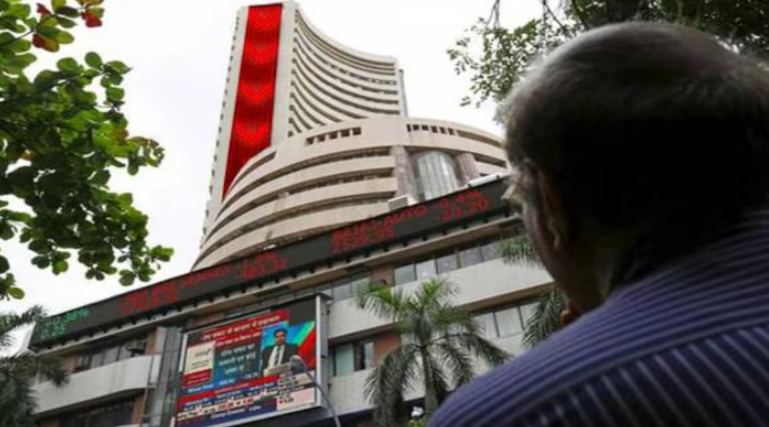
9 September 2026 (Navroze Bureau) : Shares of BSE Ltd fell more than 3% in early trade after global brokerage Bernstein initiated coverage on the stock with an ‘Underperform’ rating, citing expectations of slower growth in India’s retail-driven equity derivatives market.
Bernstein has set a target price of ₹2,820 per share, implying around 17% downside from BSE’s previous closing price of ₹3,394.
BSE Shares Under Pressure
BSE shares were trading around ₹3,285, down about 3.2%, after falling more than 3% during early trading.
Despite the latest decline, the stock remained up about 29.2% so far in 2026, with BSE’s market capitalisation above ₹1.38 lakh crore.
Bernstein Turns Cautious on Derivatives Growth
Bernstein’s bearish stance is based largely on the view that the rapid expansion in India’s retail participation in equity derivatives is entering a normalisation phase.
The brokerage believes the exceptional growth seen in recent years may become harder to sustain as retail derivatives activity moderates.
For BSE, Bernstein expects market-share gains to peak in FY27, after which growth could normalise. This could put pressure on earnings growth and the premium valuation investors have assigned to the exchange.
Target Price: ₹2,820
Bernstein’s ₹2,820 target price is significantly below BSE’s recent market price.
At Tuesday’s closing price of ₹3,394, the target represents approximately 17% potential downside. The rating suggests Bernstein expects the stock to underperform amid slower derivatives growth and regulatory headwinds.
Closing Auction Session Adds Pressure
BSE is also facing concerns over the impact of the recently introduced Closing Auction Session (CAS).
SEBI introduced CAS on August 3 to determine closing prices in the cash market. BSE management has acknowledged that participation in the auction has been lower than expected and that the mechanism has contributed to lower index-options volumes.
SEBI has since said it will review the methodology used to determine derivatives settlement prices following concerns over sharp swings in index levels and options pricing.
Why CAS Matters for BSE
The new closing mechanism has become an important issue for exchange operators because derivatives contracts are closely linked to settlement prices.
Recent expiry sessions have witnessed sharp swings in the Sensex’s indicative closing level, while some BSE option premiums surged dramatically. The volatility has raised concerns about liquidity and trading participation during the auction window.
Regulatory Changes Weigh on Outlook
Apart from CAS, investors are also assessing the impact of changes to securities transaction tax (STT) and other regulatory measures affecting derivatives trading.
Bernstein’s view is that these factors could make it harder for BSE to maintain the exceptional earnings momentum generated by its growing derivatives business.
Other brokerages have also recently become more cautious on the stock. PL Capital, for example, reduced its target price to ₹4,025 from ₹4,850 while retaining a ‘Buy’ rating.
Bernstein More Positive on MCX
While Bernstein turned bearish on BSE, it took a more positive view of Multi Commodity Exchange of India (MCX).
The brokerage initiated coverage on MCX with an ‘Outperform’ rating and a target price of ₹3,830, citing the commodities segment as an attractive growth opportunity.
What Investors Are Watching
For BSE investors, the key factors to watch include the trajectory of equity derivatives volumes, the exchange’s market share, the impact of CAS, regulatory changes and the ability of the company to sustain earnings growth.
The Bernstein downgrade reflects concerns that the extraordinary expansion of BSE’s derivatives business may be entering a more mature phase.